
Groupe Kléber Rossillon
The Kléber Rossillon group and its sites
Kléber Rossillon
Specialised in running cultural and heritage sites, the Kléber Rossillon group was founded in 1995 with the opening of Marqueyssac Gardens. The group now welcomes over two million visitors at its twelve sites in France and Belgium.
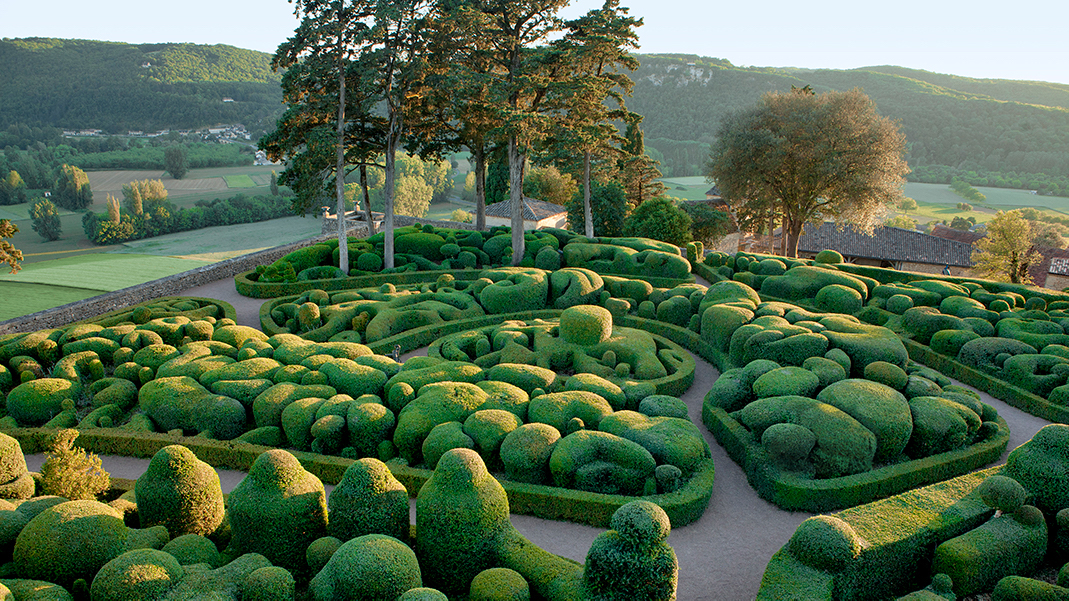
Jardins de Marqueyssac
Listed as a National Historical Monument, surrounding a stone-tiled château from the early 19th Century, the romantic and picturesque Marqueyssac Gardens offer over 6km of pathways surrounded by over 150 000 hand-pruned boxwoods, with viewpoints, rockeries and stone cabins. The viewpoint has been awarded 3 stars in the Michelin Vert Guide.
Combined ticket with the Jardins de Marqueyssac at 3km

Musée de Montmartre
It was originally the home of many artists from Bohemian Paris. Montmartre Museum, hidden in the heart of the hill, offers a permanent tour of the artistic effervescence of the late 19th and early 20th centuries. An unmissable spot in Montmartre, situated in the heart of Paris, that proposes two exhibitions per year, as well as the Renoir café and gardens.
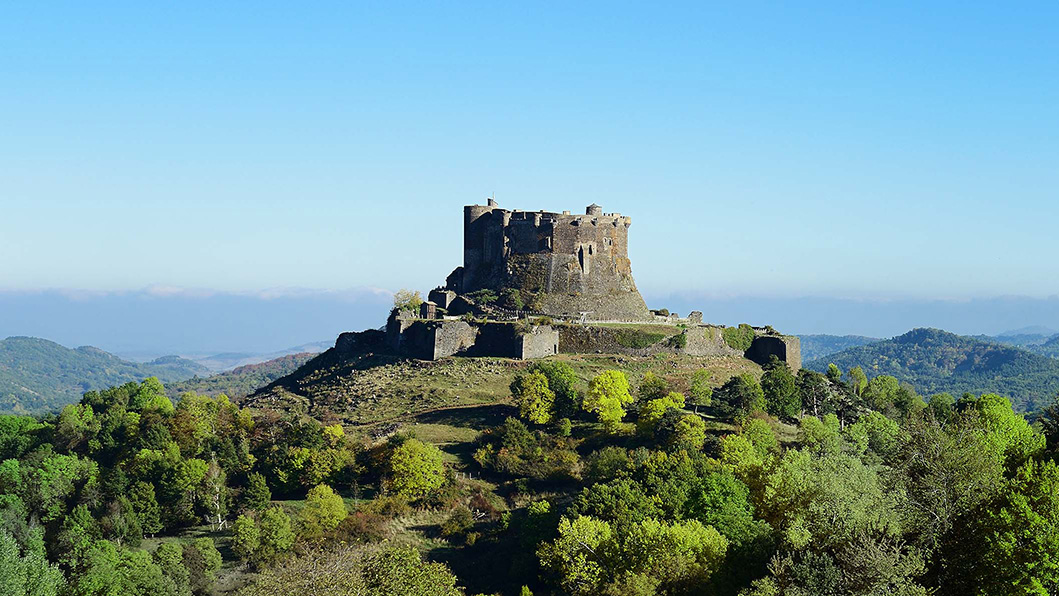
Château de Murol
An imposing castle in Lower-Auvergne, the Murol Fortress immerses its visitors in life at Guillaume de Murol’s court of 1422. Costumed, guided tours and knights’ battles punctuate the discovery of the fortress.
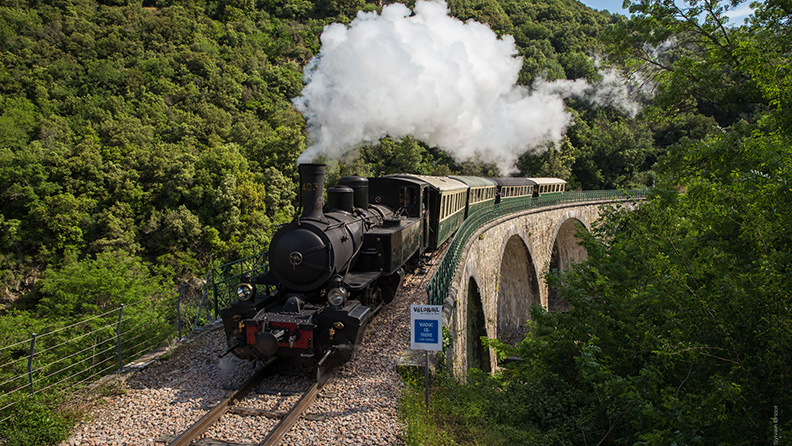
Train de l'Ardèche
In an exceptional setting in the heart of the Doux Gorge, the Ardèche train welcomes passengers into a period steam-train setting. A journey through nature and time.
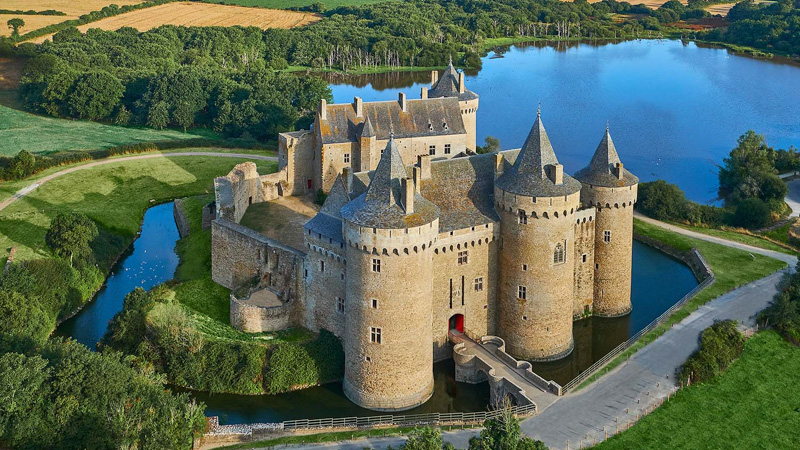
Château de Suscinio
Previously the Duke de Bretagne’s residence, Suscinio Castle is surrounded by 60 hectares of protected countryside. At a few hundred metres from the ocean, the castle offers a discovery of the Middle Ages in Brittany and Arthurian legends.
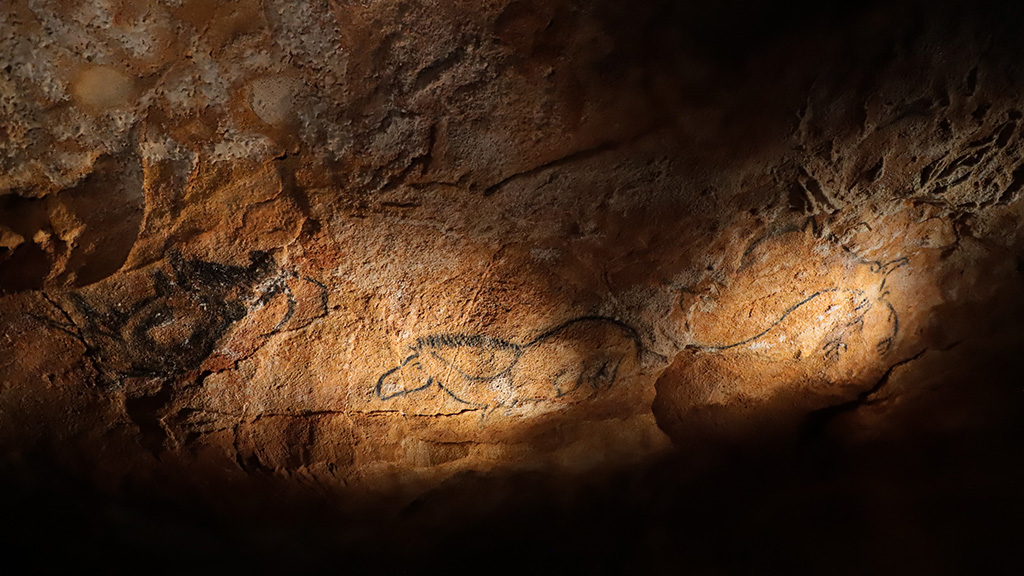
Cosquer Méditerranée
A unique reproduction of the Marseille’s submerged-creek cave, Cosquer Cave offers a journey through time. Located in the Villa Méditerranée, no less than five hundred engravings and paintings illustrate the prehistoric art.

Mémorial de Waterloo
An unmissable part of the Napoleonic history, the Waterloo Memorial includes a historical interpretation centre, and exceptional panoramic views, as well the famous “Butte du Lion” (Lion Hill) and Houhoumont Farm.

Grotte Chauvet 2
At Chauvet Caves, visitors can discover reproductions of 36,000 year-old cave paintings. Numerous activities, including an immersive video, complete the visit of this famous cave in the Ardèche.
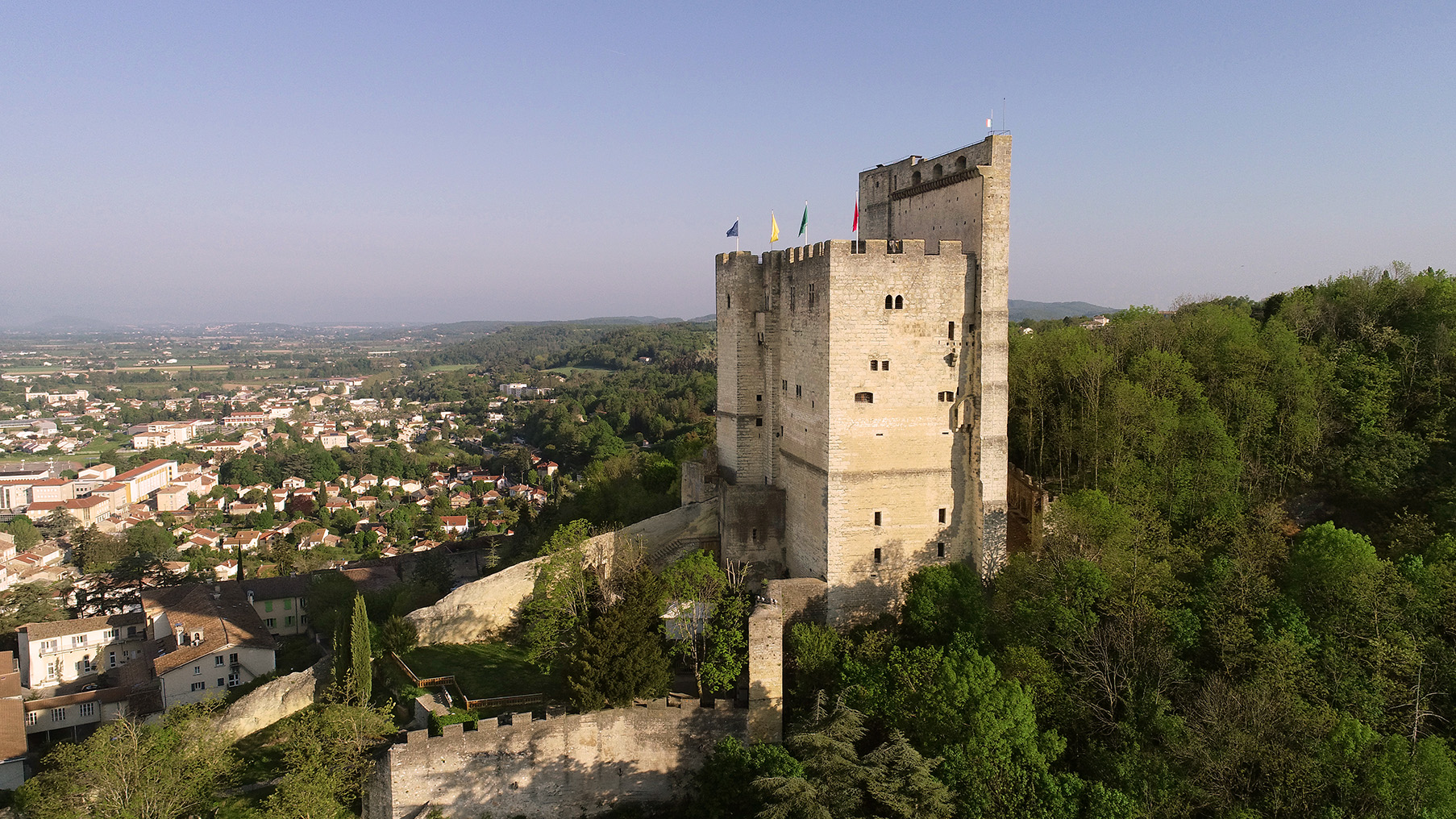
Tour de Crest
A true fortress perched above the Drôme Valley, Crest Tower is the highest keep in France. Here, visitors discover the rich history between daily life in the Middle Ages and life in jail.

Vélorail des gorges du Doux
On the only metric track of the Ardèche, the Cyclerail provides an unusual way to enjoy the Ardèche countryside.
Our CSR (Corporate Social Responsibility) commitments and best practices
At Château de Castelnaud, we are deeply committed to preserving our heritage and its natural environment while supporting social and community-oriented initiatives. Every action counts, and our daily practices are part of a sustainable and responsible approach.
🌿 Gardens and resource management
– No chemicals are used in outdoor areas; weeding is done by hand.
– Water pressure reducers are installed throughout the site (public and private areas).
– Toilets are equipped with dual-flush mechanisms to limit water consumption.
– Potable tap water is available via gooseneck taps, encouraging the use of reusable bottles and reducing plastic waste.
– Natural shading is provided to ensure coolness and comfort.
💡 Energy and equipment<
– There is no heating or air conditioning in the château, except in two specific rooms dedicated to preserving the collections.
– Mindful lighting: LED or low-energy bulbs, and motion sensors in restrooms and certain rooms.
– Reduced use of paper signage through the use of durable materials (Dibond panels).
♻️ Waste reduction
– Waste sorting in the restaurant and offices.
– Use of recycled paper and recycled toilet paper (public and private areas).
– All brochures are printed on recycled paper.
– Reuse and repurposing of equipment; Unsold items are given to staff.
🍴 Responsible dining
– Priority given to local consumption, with direct purchasing from producers.
– Products sourced from organic farming and fair trade; no chemical treatments used.
– Unsold items are given to staff.
🐦 Biodiversity and living heritage
– Annual monitoring of the Wallcreeper and the Alpine Accentor in collaboration with the LPO (Jean-Claude Bonnet).
– Strong commitment to preserving these species by respecting their natural habitat.
🤝 Social and human commitment
– Active support for charitable initiatives: Pink October, Lions Club, firefighters, and the PSIG (Gendarmerie intervention unit).
– Financial aid and donations to local community associations.
– Gender parity within the company.
– Ongoing staff training (customer service, ergonomics with the MSA, management, accessibility for specific visitor groups).
– Encouragement of carpooling and train travel for commuting.
📑 Digitalization of administrative processes
– Elimination of unnecessary printing: payslips, accounting, and invoicing are being transitioned to digital formats.